Understanding the Role of EGR in Billingham Cars
The Exhaust Gas Recirculation (EGR) system in a Billingham car plays a significant role in reducing the harmful emissions released by the vehicle. By reintroducing a portion of the exhaust gas back into the engine, the EGR system lowers the combustion temperature, thereby reducing the amount of nitrogen oxide emissions. This is particularly important as these emissions can contribute to air pollution and are harmful to human health.
Additionally, the EGR system can also improve engine efficiency by reducing the amount of fresh air required during the combustion process. This can result in improved fuel economy, making it a cost-effective feature for drivers. However, the EGR system may also contribute to engine wear over time, as it can cause a buildup of carbon deposits in the engine.
Therefore, while EGR plays a crucial role in lowering emissions and improving engine efficiency, it can also potentially lead to engine problems if not properly maintained. Understanding this balance is crucial for any car owner considering EGR removal.
Why EGR Removal May be Necessary for Your Vehicle
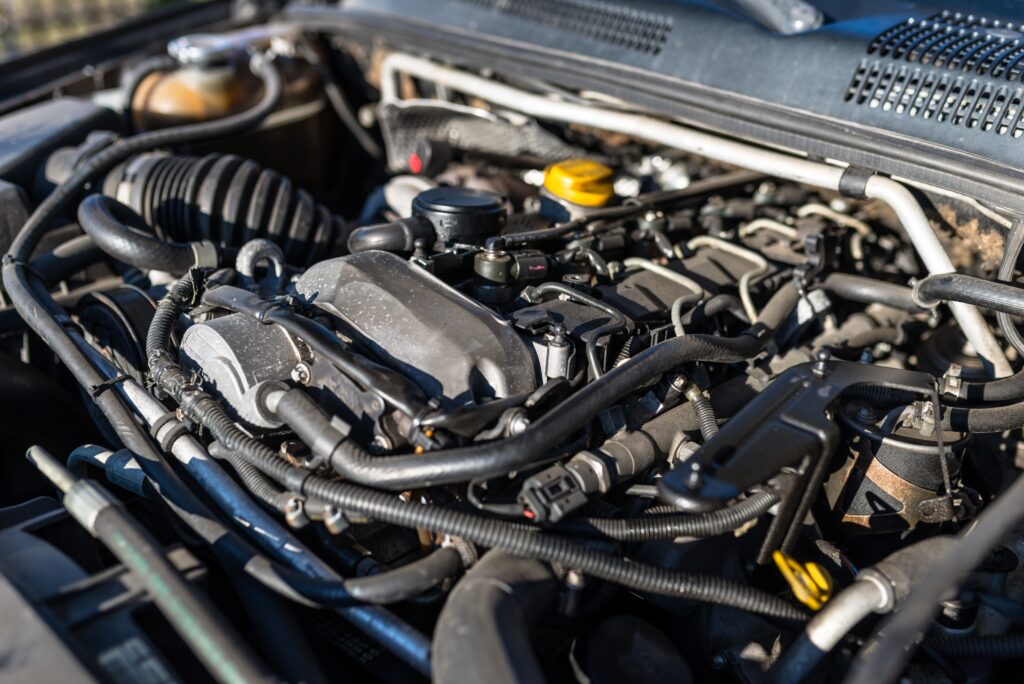
While the EGR system has its benefits, it can also cause various engine problems, particularly in older vehicles. One of the most common issues is the accumulation of carbon deposits in the intake manifold and valves. This can lead to reduced engine performance, increased fuel consumption, and even engine failure in severe cases.
Furthermore, the EGR system can also cause the engine to run at lower temperatures than optimal, which can lead to incomplete fuel combustion. This can result in increased soot deposits in the engine, further worsening engine performance. The removal of the EGR system can mitigate these issues by allowing the engine to run at higher, more optimal temperatures.
Finally, EGR removal may also be necessary if the system itself is faulty or damaged. In such cases, removing the EGR system can be a more cost-effective solution than repairing or replacing it, particularly for older vehicles.
Steps for Safely Removing an EGR from Billingham Cars
The process of removing an EGR system from a Billingham car should be done with caution to avoid causing further damage to the engine. The first step is to disconnect the battery to prevent any accidental electrical shorts during the removal process. Next, the intake manifold should be carefully removed to access the EGR valve.
Once the EGR valve is accessible, it can be removed by unscrewing it from the engine. It’s important to note that some EGR valves are sealed with gaskets, which must also be removed. Once the EGR valve and gaskets are removed, the openings should be sealed to prevent any leaks.
Finally, after the EGR system is removed, the intake manifold should be reinstalled and the battery reconnected. It’s recommended to run a thorough check of the engine after this process to ensure everything is functioning properly.
Detailed Guide to EGR Removal Tools and Techniques
In order to remove the EGR system from a Billingham car, a few specific tools are required. These include a wrench or socket set to remove the EGR valve, a gasket scraper to remove any remaining gasket material, and EGR block-off plates to seal the openings after the EGR system is removed.
The technique involved in removing the EGR system largely involves careful unscrewing and removal of components. It’s important to keep track of all parts removed and their respective positions for reinstallation later. Additionally, cleaning the intake manifold after EGR removal can also be beneficial to remove any remaining carbon deposits.
Furthermore, some vehicles may require a remapping of the engine control unit (ECU) after EGR removal. This process adjusts the engine’s computer to function without the EGR system and should ideally be performed by a professional.
Evaluating the Impact of EGR Removal on Car Performance
Once the EGR system is removed from a Billingham car, the impact on car performance can vary. In many cases, removal can result in improved engine performance and fuel economy, particularly in older vehicles. This is largely due to the engine running at higher and more optimal temperatures.
However, it’s also important to note that EGR removal can lead to increased emissions, particularly nitrogen oxides. Therefore, while the vehicle may perform better, its environmental impact may also be significantly greater.
Additionally, some vehicles may experience problems after EGR removal, particularly if the engine control unit (ECU) is not properly adjusted. These issues can include difficulties in starting the engine, irregular idling, and decreased overall performance.
Preventive Measures Post EGR Removal in Billingham Cars
After removing the EGR system from a Billingham car, it’s important to take preventive measures to ensure the longevity of the engine. One of the most crucial measures is regular engine maintenance, particularly oil and filter changes. This can prevent the accumulation of carbon deposits in the engine and ensure optimal performance.
Additionally, it’s recommended to monitor the engine’s temperature closely after EGR removal. Since the engine is running at higher temperatures, it’s vital to ensure it doesn’t overheat. Using high-quality coolant and regularly checking the coolant level can help prevent overheating.
Finally, if the vehicle’s engine control unit (ECU) was remapped after EGR removal, it’s essential to ensure it’s functioning properly. In case of any irregularities in engine performance, it’s recommended to consult with a professional.
Professional Services for EGR Removal in Billingham
If you’re considering removing the EGR system from your Billingham car, it’s advisable to seek professional help. There are numerous garage services in Billingham offering EGR removal, with experienced technicians who can safely perform the procedure and provide advice on ongoing maintenance.
These services can also assist with the necessary engine control unit (ECU) remapping after EGR removal and can help navigate any potential legal issues. It’s always preferable to have a professional perform complex procedures such as EGR removal to prevent any potential damage to your vehicle.
While EGR removal can potentially improve engine performance and mitigate certain issues, it’s important to remember the potential legal implications and environmental impact. Therefore, it’s best to weigh up the pros and cons and consult with a professional before making the decision.