Understanding the Role of EGR in Thornaby’s Vehicles
Exhaust Gas Recirculation (EGR) is a critical component in Thornaby’s vehicles. It is designed to reduce the amount of nitrogen oxide (NOx) emitted by vehicles, enhancing air quality and contributing to the conservation of the environment. The EGR system achieves this by recirculating a portion of the engine’s exhaust gas back to the engine cylinders, diluting the concentration of NOx in the vehicle’s emissions.
In Thornaby, where vehicles are frequently used for both personal and commercial purposes, the function of the EGR system is particularly vital. It not only ensures the efficiency and sustainability of the vehicle’s operation but also conforms to environmental standards set by UK regulatory authorities. The benefits of the EGR system include lower combustion temperatures, reduced engine knock, and improved fuel economy.
However, while the EGR system offers several benefits, it is not without its downsides. For instance, it can lead to a build-up of carbon deposits in the engine, causing reduced performance and increased fuel consumption. To mitigate these issues, vehicle owners in Thornaby often resort to EGR removal, a process that entails the physical removal or electronic deactivation of the EGR system.
Steps Involved in the EGR Removal Process
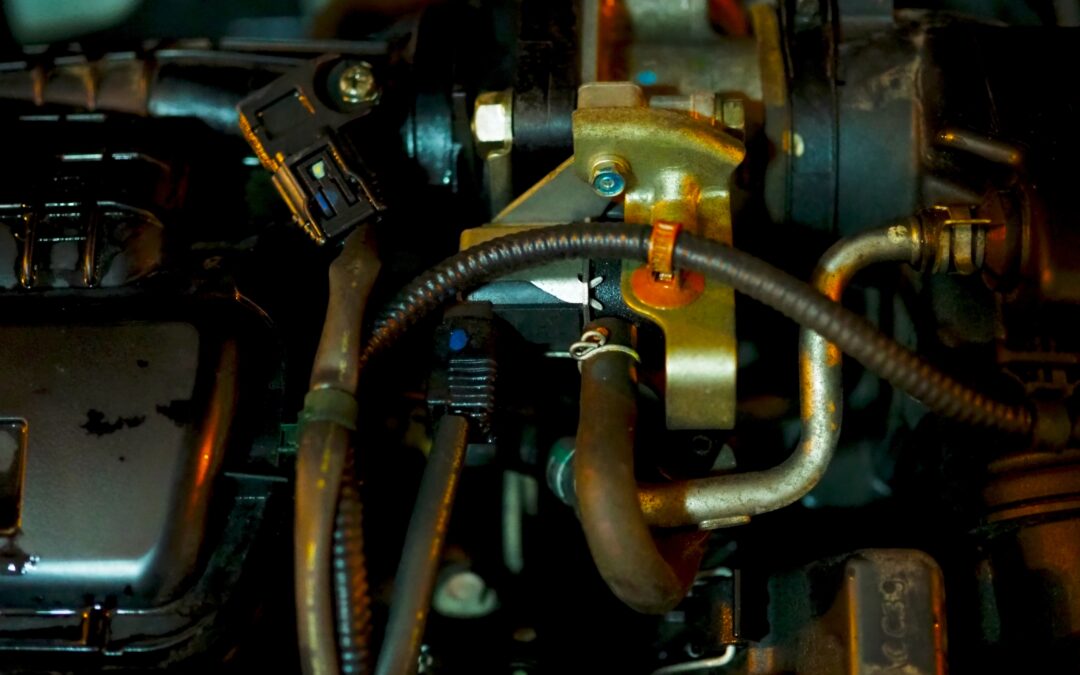
The EGR removal process is a complex task that requires technical knowledge and skills. It begins with the disconnection of the battery to ensure safety during the procedure. Following that, the EGR valve, which is typically located near the engine, is disconnected and removed.
After the EGR valve has been removed, the EGR cooler is disconnected and removed. The EGR cooler is an integral part of the EGR system, used to cool the exhaust gases before they are recirculated into the engine. The tube connecting the cooler to the intake manifold is also detached.
Once all these parts have been removed, the EGR system is effectively deactivated. However, to avoid triggering the engine check light, a blanking plate or an EGR delete kit is typically used to fill the space where the EGR system once was. After this, the battery is reconnected, and the car is ready for use.
Mastering the Tools Required for EGR Removal
EGR removal requires a set of specific tools. These typically include a socket set, a wrench, pliers, and a screwdriver. In some cases, an EGR delete kit may also be needed. This kit usually comprises a blanking plate and other components to fill the space left by the EGR valve and cooler.
Handling these tools and performing the EGR removal process necessitates mechanical competence and an understanding of the vehicle’s engine layout. For many vehicle owners in Thornaby, having a reputable professional complete the process ensures that it is done accurately and safely.
For the more mechanically inclined vehicle owners, investing in a comprehensive toolset for EGR removal can be a worthwhile endeavour. Not only does this allow for the do-it-yourself removal of the EGR system, but it also equips one with the means to carry out other vehicle maintenance tasks.
Understanding the Risks and Benefits of EGR Removal
EGR removal comes with both benefits and risks. On the plus side, it can increase engine performance and fuel efficiency, reduce engine sludge, and minimise the need for frequent maintenance. For vehicle owners in Thornaby who prioritise performance, these benefits can be quite appealing.
However, EGR removal also carries significant risks. These include potential damage to the engine due to the increased combustion temperatures, a decrease in fuel economy, and an increase in harmful emissions. Additionally, removing the EGR system can lead to a failure during the MOT test, which is a legal requirement for vehicles in the UK.
Given these considerations, thorough research and professional advice should be sought before deciding on EGR removal. A well-informed decision can help vehicle owners in Thornaby strike a balance between performance and sustainability.
Offsite and Onsite EGR Removal: A Comparative Study
When considering EGR removal in Thornaby, vehicle owners have two main options – onsite or offsite removal. On-site removal involves a professional coming to the vehicle owner’s location to perform the procedure. This provides convenience and immediate access to the vehicle after the process.
Offsite removal, on the other hand, involves taking the vehicle to a garage or a specialised centre for the procedure. While this option may require more time and effort, it often comes with the assurance of a job done by experienced professionals in a controlled environment.
Both options have their pros and cons, and the choice largely depends on the individual’s convenience, trust in the service provider, and urgency of the need for EGR removal.
Environmental Impact of EGR Removal in Thornaby’s Vehicles
The EGR system plays a crucial role in reducing the emissions of NOx, a harmful pollutant. Consequently, the removal of the EGR system can lead to increased emissions, contributing to air pollution. This is a significant consideration for environmentally conscious vehicle owners in Thornaby.
Moreover, alongside increased emissions, EGR removal can also lead to elevated fuel consumption. This not only adds to the operating costs of the vehicle but also contributes to the carbon footprint.
Given these environmental implications, many vehicle owners in Thornaby deliberate carefully before opting for EGR removal. Maintaining a balance between individual performance needs and environmental responsibility is a key consideration in this decision.
Case Studies of Successful EGR Removal in Thornaby
Despite the environmental and legal considerations, there have been successful cases of EGR removal in Thornaby. In one instance, a local taxi operator reported significant improvements in his vehicle’s performance and fuel economy after EGR removal. The process was conducted by a reputable professional and the vehicle was used predominantly for short, urban journeys where the EGR system had been causing operational problems.
In another case, a Thornaby resident with an older, high-mileage vehicle chose to remove the EGR system to extend the life of the engine. The process was carried out safely, and the vehicle experienced improved performance without any significant increase in emissions, as it was used sparingly.
These case studies demonstrate that EGR removal can be advantageous in specific situations. However, it’s crucial for vehicle owners in Thornaby to consult professionals and consider all relevant factors before deciding on EGR removal.