Understanding Fuel Efficiency: A Primer for Redcar Drivers
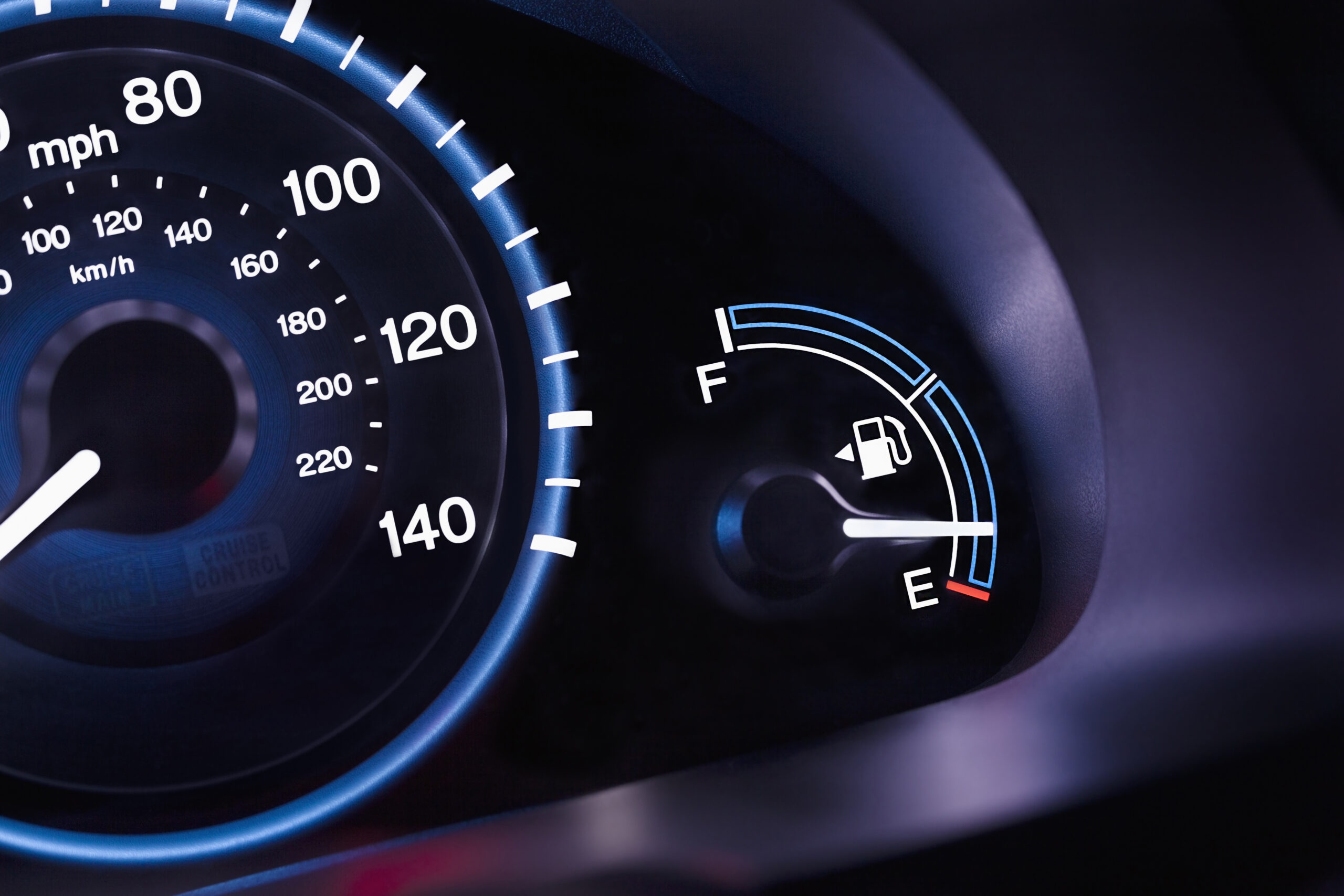
Fuel efficiency, also known as fuel economy, essentially measures how far a vehicle can travel on a certain amount of fuel. This is usually expressed in miles per gallon (MPG) in the UK. The higher the MPG, the more fuel-efficient the vehicle is. Understanding fuel efficiency is crucial for motorists as it directly impacts the cost of running a vehicle and contributes to environmental sustainability.
Optimising fuel efficiency means maximising the distance your vehicle can travel on a single tank of fuel. This not only saves you money at the petrol pump, but also reduces greenhouse gas emissions, contributing to a cleaner, greener Redcar. Every driver can play a role in improving fuel efficiency, regardless of the type of vehicle they drive.
Improving fuel efficiency requires a solid understanding of the various factors that influence it, including driving techniques, vehicle maintenance, choice of fuel, climate and weather conditions, and advanced vehicle technologies. By learning to manage these factors effectively, Redcar drivers can significantly cut fuel consumption, save money, and protect the environment.
Key Factors Influencing Your Vehicle’s Fuel Efficiency
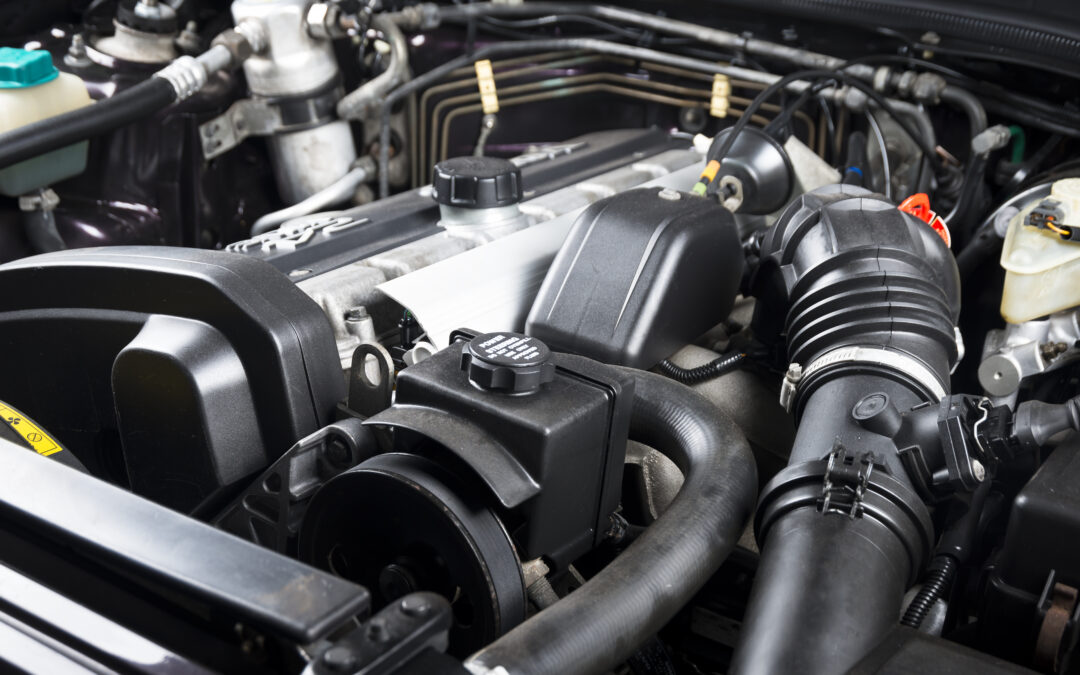
Many factors can influence fuel efficiency. One is the condition of your engine. A well-maintained engine operates at its best, burning fuel more cleanly and efficiently. Similarly, an under-inflated or poorly aligned tyre can increase your vehicle’s resistance to motion, leading to higher fuel consumption. Other crucial components that can affect fuel efficiency include air filters, oil filters, and spark plugs.
Driving behaviour and style also greatly impact fuel efficiency. Aggressive driving, like fast acceleration and hard braking, can increase fuel consumption by up to 40%. Driving at high speeds, particularly above 60mph, can also dramatically reduce your MPG. In contrast, driving smoothly and progressively, and sticking to the speed limit, can significantly improve fuel efficiency.
Lastly, the type of fuel you use, the weight of your vehicle, and the use of air conditioning or heating systems can also affect your fuel economy. By understanding these factors, Redcar drivers can take the necessary steps to optimise their vehicles’ fuel efficiency.
Driving Techniques to Maximise Fuel Consumption
Adopting efficient driving techniques can significantly improve your vehicle’s fuel economy. One major strategy is ‘eco-driving’ or ‘green driving’. This involves driving at a steady speed, avoiding rapid acceleration, and braking smoothly. By practising these techniques, you can reduce your fuel consumption by up to 20%.
Avoiding unnecessary weight can also improve fuel efficiency. The heavier your vehicle, the harder the engine has to work to move it, thus using more fuel. Removing unnecessary items from your car, especially heavy ones, can make a noticeable difference to your MPG. Also, using cruise control on highways can help maintain a constant speed, improving fuel economy.
Another useful technique is to turn off your engine when idle for more than a minute. This can save a significant amount of fuel, especially in heavy traffic. Also, using air conditioning sparingly, especially at low speeds, can help save fuel as AC systems use a substantial amount of energy.
Vital Vehicle Maintenance Practices for Optimum Fuel Economy
Regular vehicle maintenance is essential for optimum fuel economy. Maintaining your vehicle’s engine in top condition ensures it operates efficiently, burning fuel cleanly and economically. Regular oil changes, replacing air and oil filters, and regularly cleaning fuel injectors can all contribute to a more fuel-efficient vehicle.
Keeping your tyres properly inflated is another critical maintenance practice. Underinflated tyres create more resistance, making your vehicle work harder and burn more fuel. You should check your tyre pressure at least once a month and before long journeys.
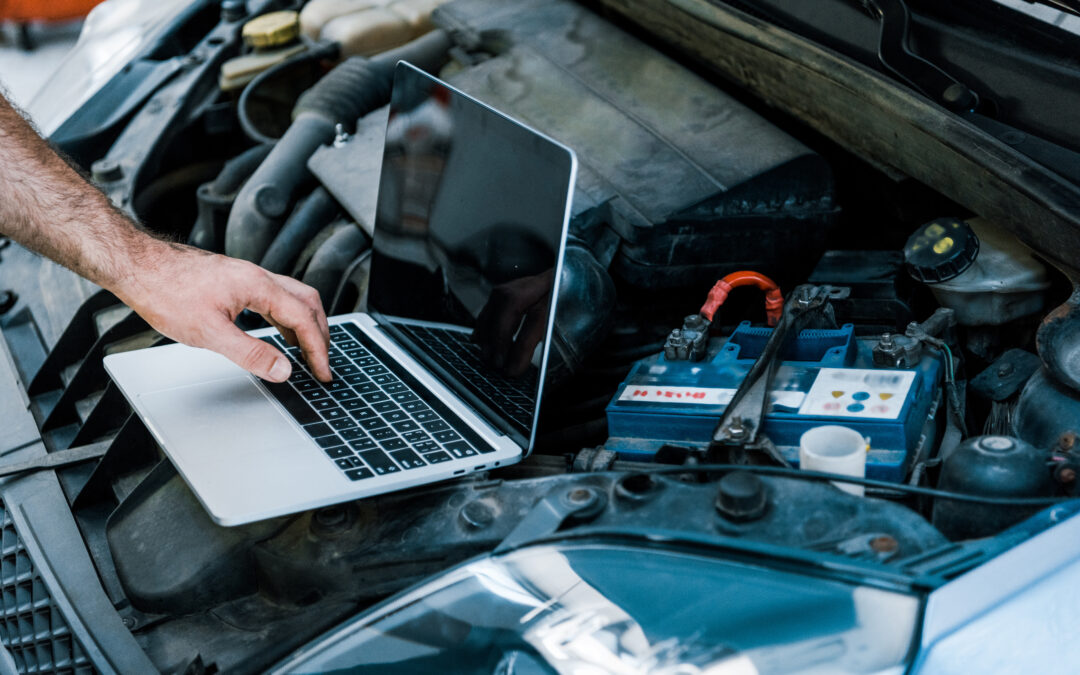
Regular servicing, as recommended by your vehicle manufacturer, is also essential for maintaining optimum fuel economy. This ensures all parts of your vehicle are working efficiently, leading to less wasted fuel. By keeping up with regular maintenance, Redcar drivers can enjoy a smoother, more fuel-efficient ride and save a significant amount of money in the long run.
Choosing the Right Fuel: An Essential Guide for Motorists
The type of fuel you use can significantly impact your vehicle’s fuel efficiency. Premium fuels, while more expensive, often contain additives that clean your engine and improve its efficiency. However, whether the benefits justify the extra cost depends on your specific vehicle and how you use it.
For diesel vehicles, using premium diesel can provide better fuel economy, as it contains additives that help the fuel to burn more completely and efficiently. However, the improvement is often minimal, so it might not be worth the extra cost for all drivers.
Biofuels and electric power are also gaining popularity as more sustainable alternatives to traditional petrol and diesel. These can provide excellent fuel efficiency and significantly reduce emissions, although they require specific types of vehicles and infrastructure. Redcar drivers should consider their driving habits, vehicle type, and budget when choosing the right fuel.
How Climate and Weather Conditions Impact Fuel Efficiency
Weather and climate conditions, such as temperature, wind, rain, and snow, can significantly impact fuel efficiency. In general, vehicles are less fuel-efficient in colder weather. This is because the engine takes longer to reach its most efficient temperature, especially for short trips. In addition, cold weather can increase wind resistance, make the engine oil thicker, and reduce the efficiency of the battery and other components.
In contrast, hot weather can also reduce fuel efficiency, mainly due to the extensive use of air conditioning. Rain and snow create wet and slippery road conditions, increasing tyre resistance and thus fuel consumption.
Redcar drivers can combat these effects by pre-heating their cars in winter, reducing AC use in summer, and driving more cautiously in wet or snowy conditions. Proper vehicle maintenance, including using the right oil and keeping tyres properly inflated, can also help optimise fuel efficiency in different weather conditions.
Exploring Advanced Technologies for Better Fuel Efficiency
Advancements in vehicle technology can offer significant improvements in fuel efficiency. Hybrid cars, which combine a petrol or diesel engine with an electric motor, can offer excellent fuel economy, especially for city driving. Electric cars, while pricier upfront, offer the highest fuel efficiency and emit zero tailpipe emissions.
Start-stop technology, which automatically turns off the engine when the vehicle is idle and restarts it when the clutch is engaged, can save a significant amount of fuel in stop-and-go traffic. Other technologies like regenerative braking, direct fuel injection, and turbocharging can also improve fuel efficiency.
While these technologies can be more expensive initially, they can save Redcar drivers a lot of money in the long run through reduced fuel consumption. They can also contribute to reducing CO2 emissions, supporting a cleaner, greener Redcar.
Legislation and Incentives Supporting Fuel Efficiency in the UK
The UK government is actively promoting fuel efficiency to reduce greenhouse gas emissions and improve air quality. Several regulations, such as the EU emissions standards, require manufacturers to reduce the average CO2 emissions of their new cars. The government also offers financial incentives for buying low-emission vehicles, including grants for electric and low-emission vehicles, and reduced road tax and company car tax.
In addition, the government provides funding for infrastructure to support low-carbon transport, such as charging points for electric vehicles. It is also investing in research and development to advance low-carbon vehicle technology.
By taking advantage of these incentives and regulations, Redcar drivers can not only save money but also contribute to a cleaner and healthier environment. Furthermore, with the UK planning to ban the sale of new petrol and diesel cars by 2030, investing in fuel-efficient and low-emission vehicles is a forward-thinking move.